Inside the Modern Silver Jewelry Factory: From Raw Metal to Refined Artistry
- Share
- Issue Time
- Dec 12,2025
Summary
Ever wonder how a shimmering piece of silver jewelry comes to life? This guide takes you behind the scenes of a modern silver jewelry factory. Discover the intricate journey from raw 925 sterling silver to a polished masterpiece, blending timeless craftsmanship with cutting-edge technology like CAD and 3D printing. We'll explore the entire production workflow, from design and casting to finishing and quality control, revealing the expertise required at every stage.
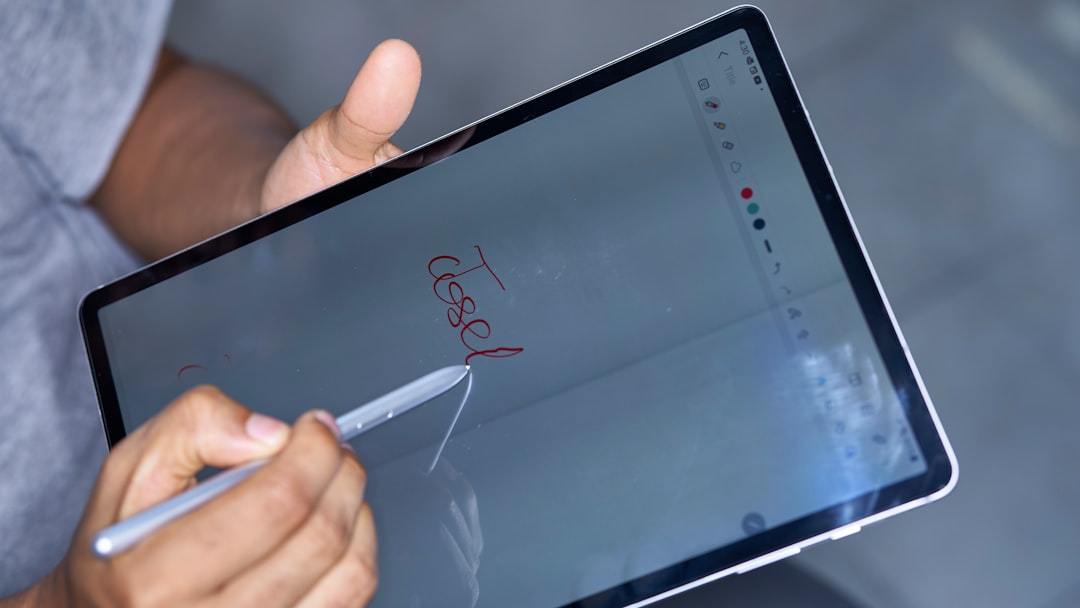
Today, in the world of silver jewelry manufacturing, precision and artistry go hand in hand. Today, AphroSilver will guide you through the complex process of transforming raw materials into exquisite, high-quality silver jewelry.
The Core of the Craft: Why Choose 925 Sterling Silver?
Before production begins, the right material must be chosen. While beautiful, sterling silver is too soft for most jewelry making, easily dented and scratched. To enhance its strength and durability, sterling silver is often alloyed with other metals (most commonly copper). This creates what is known as 925 sterling silver, the industry standard for high-quality silver jewelry. The "925" designation indicates that the metal consists of 92.5% sterling silver and 7.5% other metals. This specific ratio achieves a perfect balance of luster, ductility, and strength, making it the preferred choice for manufacturers and consumers alike.
Step One: The Birth of the Idea – Design and CAD Modeling
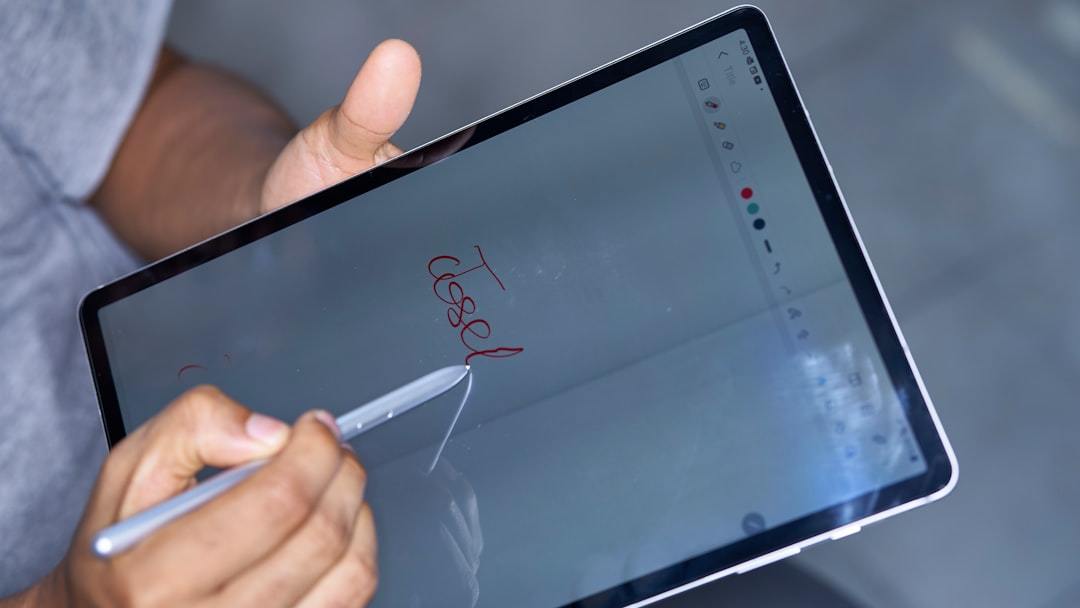
The design of every piece of jewelry begins with an idea. This initial concept might be a hand-drawn sketch or a complete digital rendering. In modern factories, designers use computer-aided design (CAD) software to transform initial concepts into detailed 3D digital models. CAD technology achieves astonishing precision, allowing designers to refine every curve, angle, and dimension before physical production. This technology ensures that even the most complex designs can be put into production and perfectly replicated.
Step Two: From Digital to Physical – Prototyping Stage
After receiving the complete CAD files, the factory creates a physical prototype. Traditionally, this work was done by skilled artisans who hand-sculpted wax models. While hand-sculpting is still used for some custom pieces, modern factories typically employ 3D printing technology. 3D printers can quickly and accurately create high-resolution resin or wax models directly from CAD files. This prototype is a perfect 1:1 scale model of the final product and serves as the master mold for the next stage.
Step Three: Blueprinting – Rubber Mold Making
The master mold is used to create the production mold. The model is placed within a frame and wrapped in multiple layers of rubber or silicone. Then, it is heated under pressure—a process called vulcanization. After curing and cooling, the rubber is carefully cut open, and the master mold is removed. The final result is a flexible and durable rubber mold, perfectly imprinted with the negative image of the jewelry. This mold can be reused hundreds or even thousands of times, serving as a blueprint for mass production.
Step Four: Wax Tree – Ready for Casting
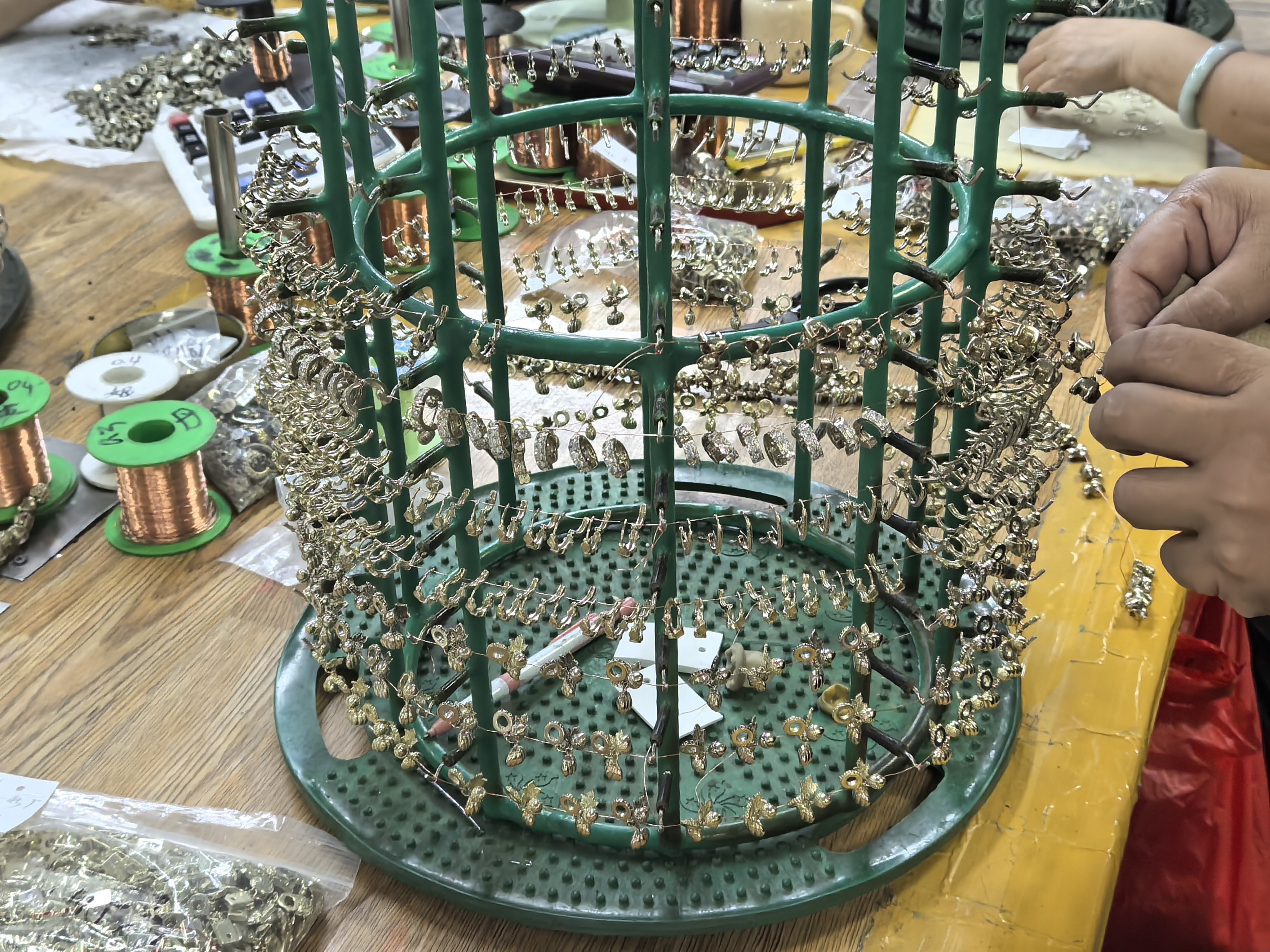
To produce multiple products simultaneously, the factory uses a process called wax injection molding. Molten wax is injected into a rubber mold to create a wax model identical to the original design. This process is repeated, producing dozens or even hundreds of wax models. These wax models are then carefully hand-attached to a central wax rod, called the gating system. The final structure resembles a tree, and this assembly process is crucial for subsequent casting processes.
At AphroSilver, only nickel-free silver compliant with REACH regulations is used in its production process, meeting global environmental standards.
Step Five: The Ancient Lost-Wafer Casting Process
Lost-wafer casting, also known as investment casting, is a process with thousands of years of history. First, a wax model is placed in a metal mold, and then a plaster-like material called investment material is poured in. After the lost-wax casting solidifies, the mold is placed in a high-temperature furnace. The high temperature melts the wax, which flows out, leaving a cavity inside the solidified casting material. This cavity is the perfect mold for the jewelry tree shape. This is the origin of the "lost-wax" casting method.
Melted 925 sterling silver is heated to approximately 960°C (1760°F) and poured into a hollow mold. Vacuum or centrifugal force is typically used to ensure the metal fills every tiny detail. After cooling, the mold is broken open, revealing the sterling silver jewelry, still attached to the central gating system.
Step Six: Finishing
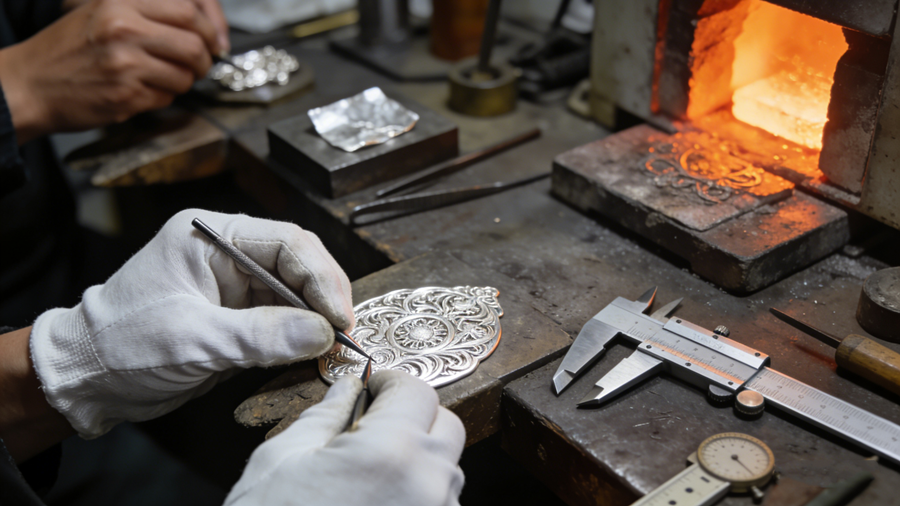
From Rough Casting to Polished Finish After cleaning, each piece of jewelry is carefully cut from the gating system. At this point, the silver surface is rough and matte. A series of meticulous polishing processes are required to bring out its dazzling luster. AphroSilver's expert craftsmen ensure that each piece has a high-quality finish, providing customers with products that are not only beautiful but also durable.
| Finishing Stage | Description | Tools Used |
| Filing & Grinding | Excess metal from the sprue attachment point is removed, and any rough edges or imperfections are filed down. | Hand files, grinders, sanding tools |
| Assembly | If the piece has multiple parts, like a pendant and a bail, they are soldered together by skilled silversmiths. | Soldering torches, high-precision lasers |
Tumbling | Pieces are placed in a rotary tumbler with steel shot, water, and a burnishing compound for several hours to harden and pre-polish the surface. | Rotary tumblers |
Polishing | Artisans use a series of polishing wheels with progressively finer abrasive compounds to buff each piece until it achieves a mirror-like shine. | Polishing lathes, buffing wheels, hand-held tools |
Step Seven: The Art of Gem Setting
If the design includes gemstones, then comes the setting stage. This is a highly skilled craft requiring extreme precision and consistent technique. Depending on the design, gem setters will use various setting techniques, such as prong setting, bezel setting, or pavé setting, to securely hold the gemstones to the silver. Each gemstone is carefully positioned to maximize its brilliance and ensure it is firmly attached to the silver.
Step Eight: Electroplating and Final Finishing
To enhance durability and prevent oxidation and tarnishing, many sterling silver pieces undergo a final plating process. Rhodium plating is a common choice because it provides a bright, oxidation-resistant, and hypoallergenic surface. For gold-plated jewelry, an electroplating process is used to deposit a layer of gold onto its surface. This process involves immersing the jewelry in a chemical solution and then using an electric current to deposit a thin, even layer of gold onto the silver surface.
Step Nine: A Mark of Excellence – Quality Control
Each product undergoes rigorous quality control (QC) inspection before leaving the factory. Quality control experts meticulously inspect each product to ensure it is free of flaws. They check the casting quality, polishing, the security of the gemstone settings, and the functionality of the clasp and closure. Furthermore, the product undergoes verification to ensure it meets the 925 sterling silver standard. Only after passing this final inspection is the jewelry stamped (e.g., "925"), packaged, and shipped.
At AphroSilver, every piece of jewelry undergoes rigorous quality control checks to ensure it meets the highest standards. From verifying weight and dimensions to testing the durability of materials, we strive for perfection, allowing no room for error. After passing quality inspection, the product is carefully packaged and ready for shipment.
Choosing the Right Manufacturing Partner for You Partnering with a manufacturer committed to exquisite craftsmanship, using high-quality materials, embracing advanced technology, and maintaining transparent communication is crucial. A reputable factory should possess a comprehensive portfolio, clear quality control processes, and extensive experience in accurately and reliably translating creative visions into reality. From initial design to final delivery, the collaboration between designers and factories is a driving force behind the entire industry's development.
AphroSilver's commitment to superior quality, craftsmanship, and sustainability makes us the preferred partner for B2B buyers seeking high-quality, customizable sterling silver jewelry. With flexible production capabilities, a commitment to ethical sourcing, and cutting-edge design technology, we ensure that every piece of silver jewelry leaving our factory reflects the highest industry standards.
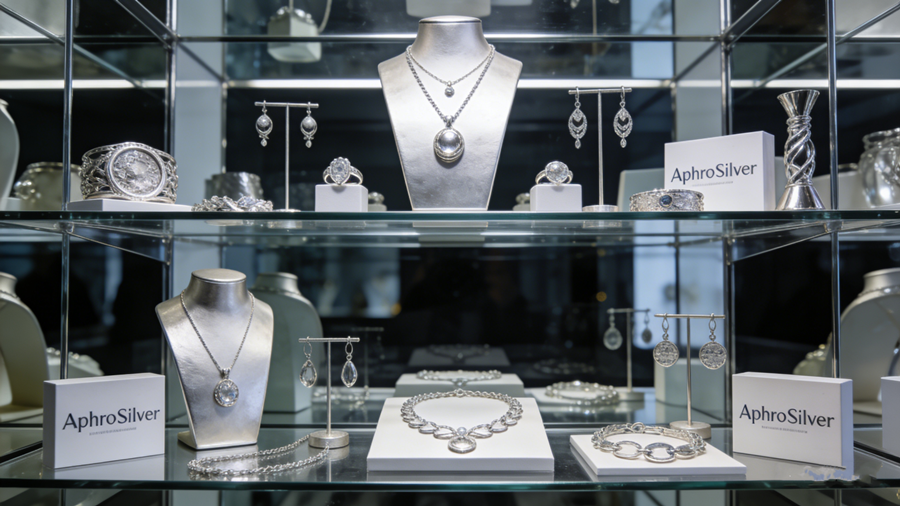
Whether you need to place a bulk order or need help bringing your jewelry design ideas to life, AphroSilver is dedicated to helping you realize your dreams.
Learn more about our production processes and how we help your brand succeed with AphroSilver.
Browse Our Best-Selling Sterling Silver Jewelry
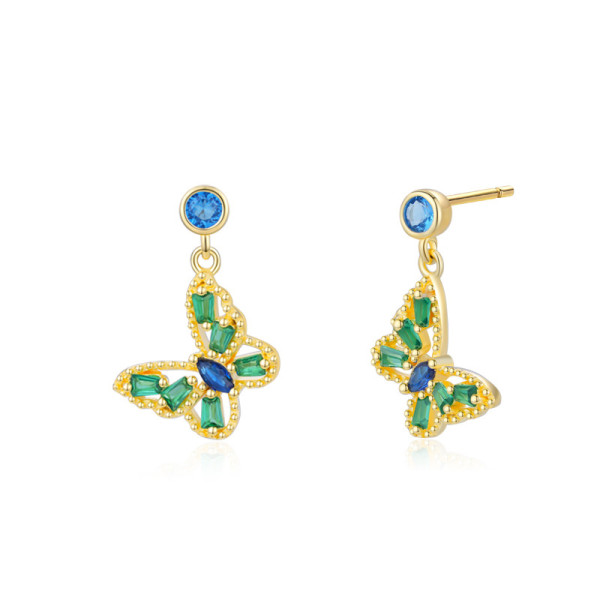
Exquisitely designed and crafted, these 925 sterling silver butterfly stud earrings are set with beautiful zircon stones, showcasing elegance and vitality.
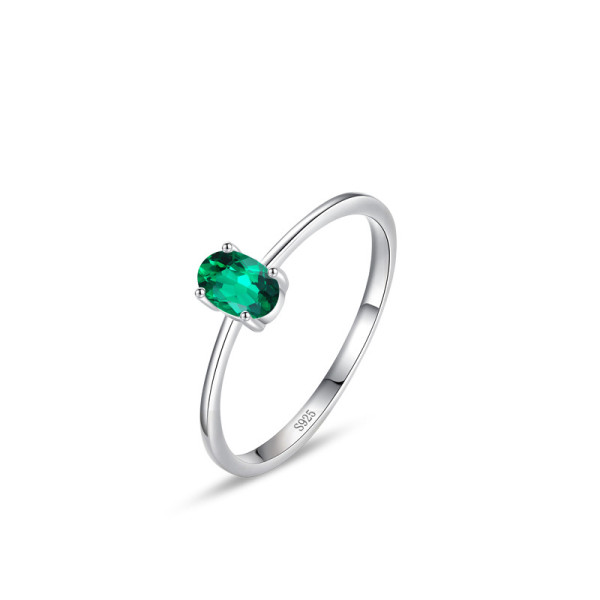
This 925 sterling silver ring has a simple and unique design, with an oval green zircon in the center, which has a bright and deep color.
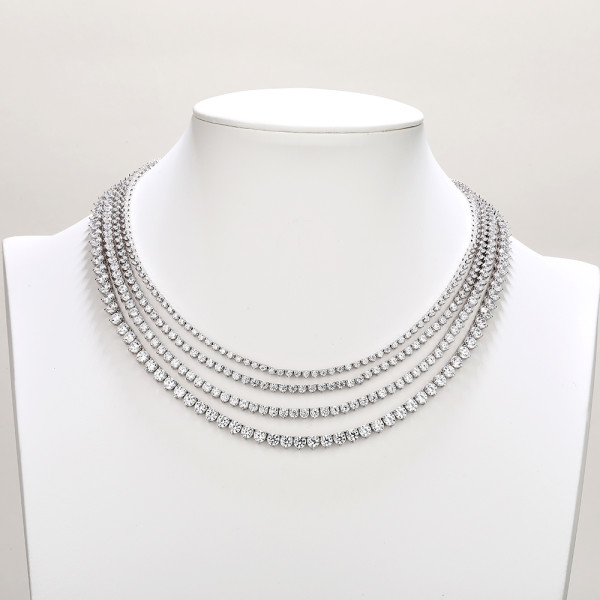
Combining modern design with traditional craftsmanship, this tennis necklace is elegant and versatile. It can be the finishing touch of any occasion.
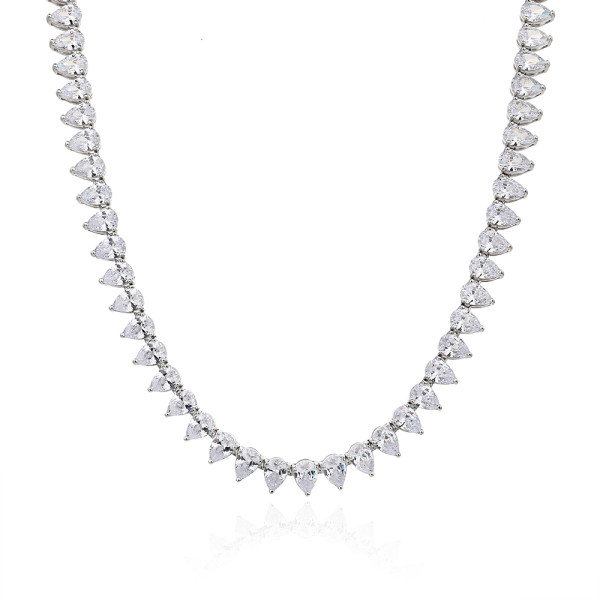
This tennis necklace is made up of a string of zircons of the same size. Its simple yet elegant design makes it suitable for a variety of occasions.
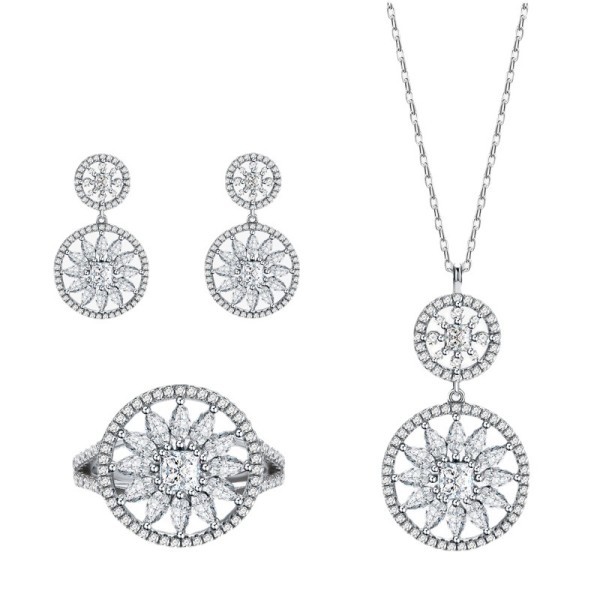
Affordable Silver Jewelry Sets in Bulk – ideal for wholesalers, boutiques, and online sellers seeking stylish jewelry at competitive prices.
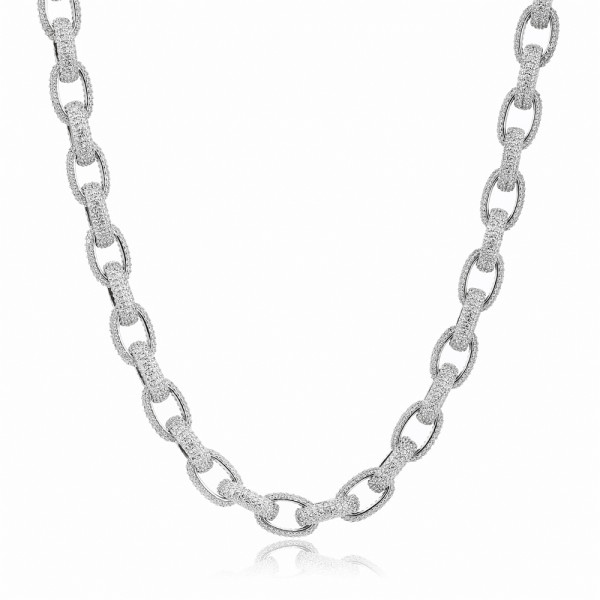
Versatile unisex design fits multiple markets, saving wholesalers inventory costs and broadening reach.
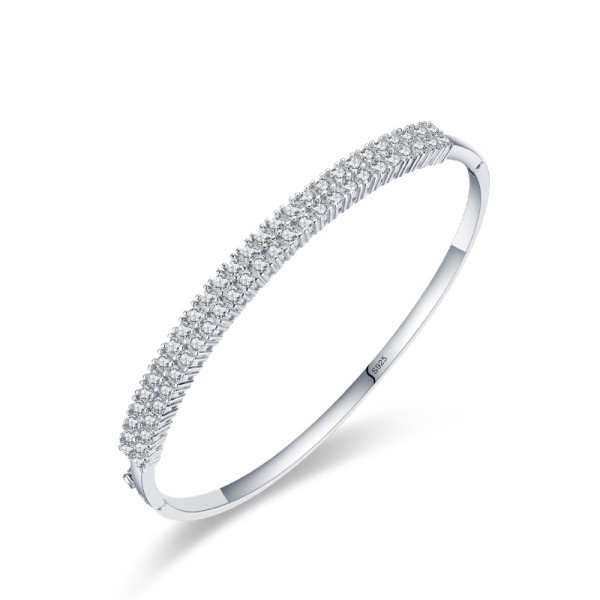
Elegant zircon bangles in 925 silver—luxury appeal with affordable wholesale pricing. Perfect for boosting retail margins.
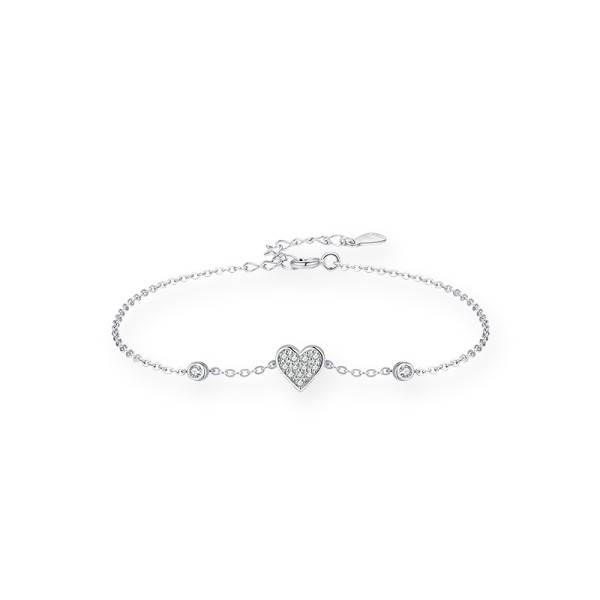
Discover the trendy 925 Sterling Silver Heart-Shaped Bracelet,Perfect for wholesale heart bracelet and sterling silver charm bracelets wholesale buyers. Custom logo & OEM supported.