OEM Silver Tennis Bracelet Production Guide: From Design to Bulk Order
- Share
- publisher
- AphroSilver Jewelry Research Team
- Issue Time
- Jul 17,2026
Summary
A practical B2B guide to OEM silver tennis bracelet production, covering design, prototyping, sample approval, bulk production, quality control, and shipping for brands and wholesale buyers.
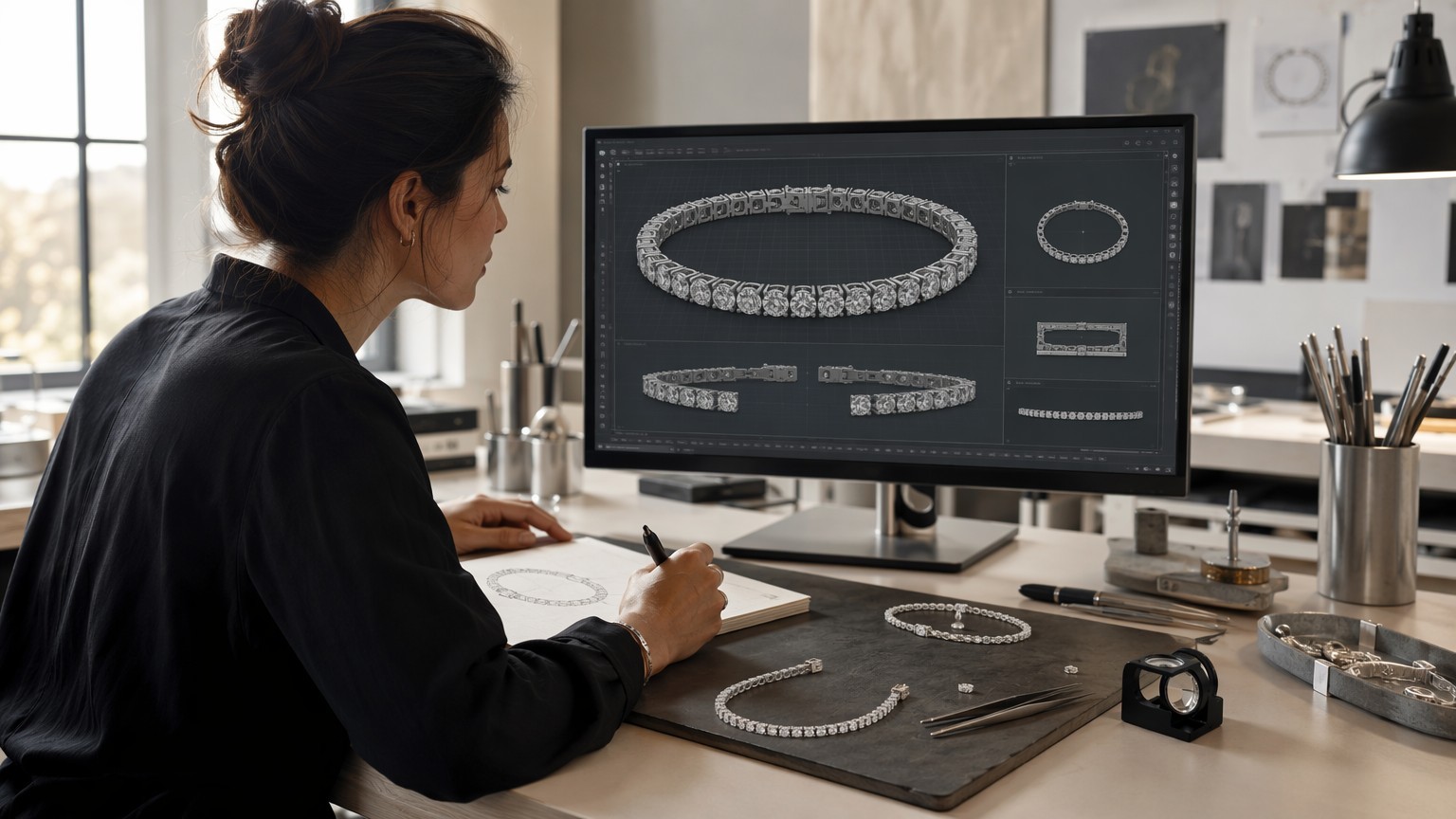
OEM guide for B2B jewelry buyers
Turning a tennis bracelet concept into a dependable bulk order requires more than an attractive sketch. Buyers need a controlled path from design intent to a repeatable sample, documented approval, production checks, and shipment readiness. This guide explains that path for brands, wholesalers, and purchasing teams evaluating an OEM tennis bracelet manufacturer or an OEM silver jewelry supplier.
Why the OEM workflow matters for tennis bracelets
A tennis bracelet is a linked product: the visual rhythm, stone or setting layout, articulation, clasp, surface finish, and wearing comfort must work together. A weakness in one area can create rework later. A disciplined OEM workflow reduces ambiguity by turning a brief into measurable decisions and approval points.
For wholesale buyers, the right manufacturing partner should be able to explain what is confirmed at each stage, what remains adjustable, and how the approved sample becomes the reference for bulk production. The goal is not simply to make one attractive prototype; it is to create a repeatable product that can be inspected against the same requirements.
Start with a complete design brief
Before CAD work begins, document the commercial and product requirements in one brief. Include the intended customer, target price position, bracelet length range, link proportions, closure preference, surface finish, stone or setting direction, packaging expectations, target quantity, and destination market.
- Visual direction: classic line, graduated profile, contemporary geometry, or a brand-specific signature.
- Wearability: articulation, edge comfort, clasp security, and how the bracelet should sit on the wrist.
- Commercial scope: target order quantity, packaging, private-label needs, and delivery window.
- Evidence: reference images, sketches, measurements, and written acceptance criteria.
A written brief helps the buyer compare suppliers on the same basis. It also prevents a common OEM problem: a supplier interpreting a visual reference as permission to change the product structure.
1. Design: translate the concept into production intent
In the Design stage, the manufacturer turns the brief into a manufacturable concept. This may include CAD development, proportion studies, setting layouts, clasp placement, and preliminary material or finishing decisions. The design review should ask practical questions, not only aesthetic ones: Can the links articulate smoothly? Are edges comfortable? Can the clasp be assembled and inspected? Is the design clear enough to reproduce?
For a silver tennis bracelet, material language must also be precise. GIA describes sterling silver as an alloy containing 92.5% silver with other metals added for strength. Buyers should therefore request the intended material description, quality marking approach, and any plating or finishing disclosure in writing rather than relying on a generic “silver” label.
2. Prototype: test the physical construction
The Prototype stage turns the approved design direction into a physical test piece. The purpose is to expose issues that a screen or rendering cannot fully show: link movement, setting alignment, clasp operation, overall weight, surface transitions, and wrist comfort.
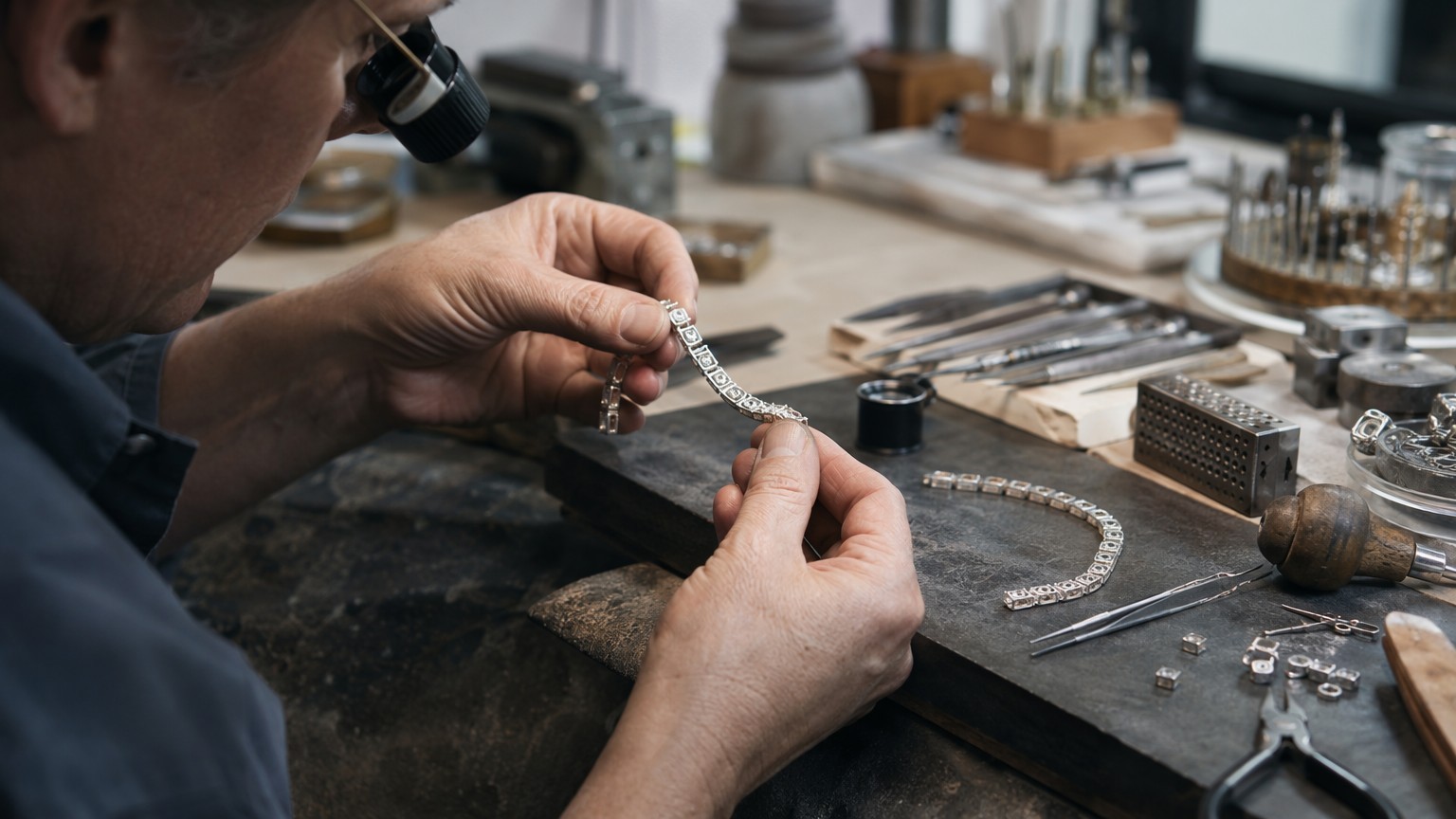
Ask the factory to identify which parts of the prototype are representative and which are provisional. For example, a temporary sample may prove the geometry while the final finish, stone selection, packaging, or engraving remains open. Clear status labeling prevents a buyer from approving the wrong version.
3. Sample approval: make the reference measurable
During Sample approval, the buyer should review the sample against the original brief and record decisions in a dated approval sheet. Do not limit approval to “looks good.” Note the accepted dimensions, finish, clasp behavior, logo or marking placement, packaging components, and any permitted tolerances.
Approval principle: approve one controlled reference version, not a general design idea. Every later production conversation should point back to that version.
Useful approval evidence includes clear product photographs, annotated measurements, a list of open changes, and the buyer's written sign-off. If a change is requested after approval, record whether it creates a new sample round, a cost adjustment, or a revised delivery date.
How to evaluate sample quality before sign-off
A sample review can be organized into four checks:
- Appearance: compare silhouette, link spacing, setting alignment, polish, texture, and visible marks with the approved design.
- Function: open and close the clasp, flex the links, inspect connections, and check whether the bracelet sits naturally.
- Material and marking: confirm that the stated material, quality mark, and finish description match the purchase specification.
- Repeatability: ask how the approved sample will be used as the production reference and how deviations will be recorded.
The FTC Jewelry Guides are intended to help jewelry businesses avoid deceptive or unfair claims. In practice, that means an OEM brief should distinguish solid material, surface applications, treatments, and quality claims instead of combining them into vague marketing language.
4. Bulk production: convert approval into a controlled run
Once the sample is approved, Bulk production should begin from a frozen specification. The factory and buyer should align on the production quantity, bill of materials, approved sample reference, packaging list, inspection points, and the process for handling nonconforming pieces.
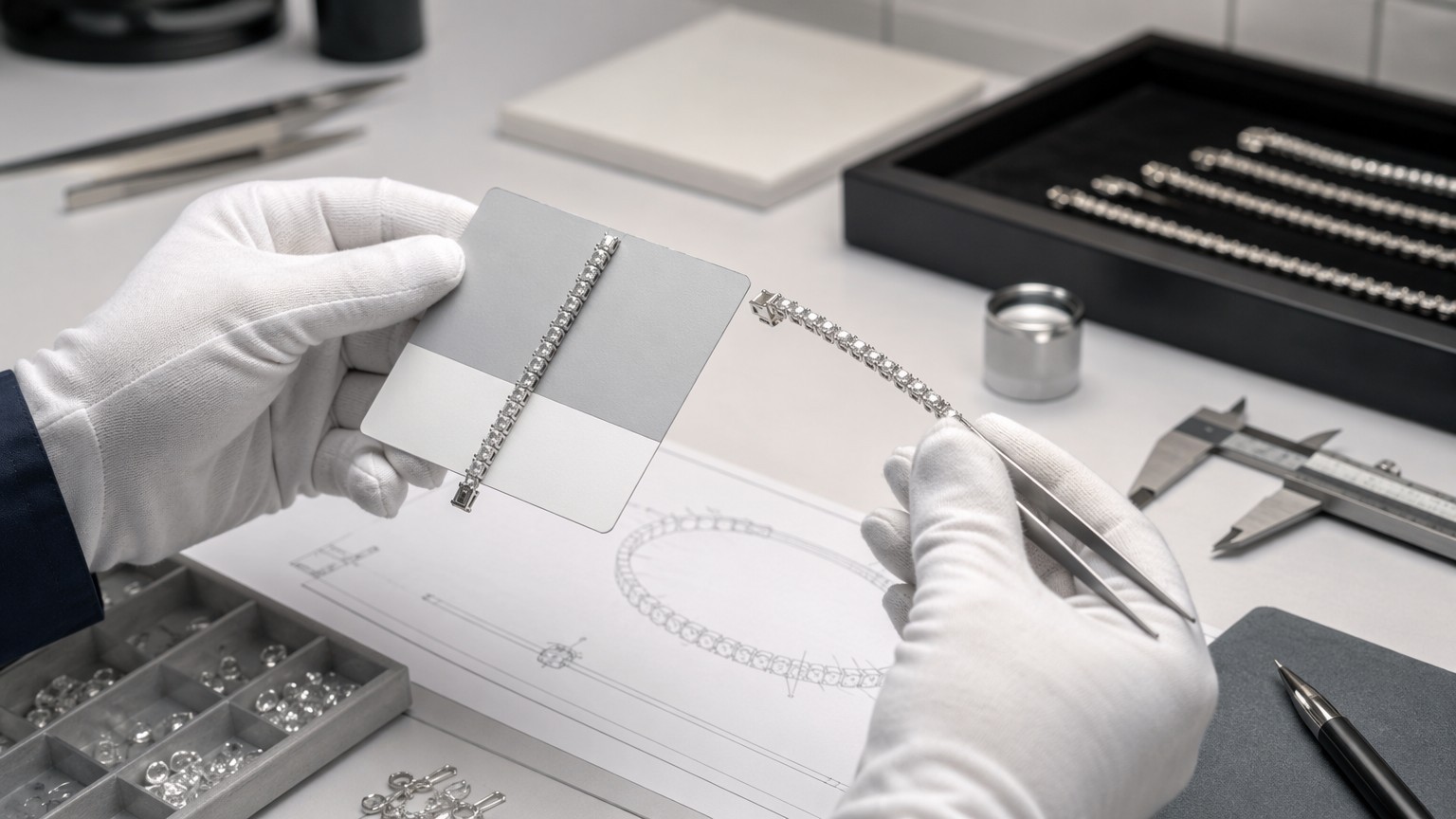
For a linked bracelet, production control should pay attention to consistency across the full run. Typical checkpoints may include incoming material verification, component forming or casting review, setting and assembly checks, clasp function, surface finishing, cleaning, and final visual inspection. The exact inspection plan should match the product specification and destination requirements; it should not be presented as a certification unless an actual certification exists.
Quality control questions for an OEM silver jewelry supplier
Before placing a bulk order, ask the supplier to explain the evidence they can provide. Strong answers are specific and traceable rather than purely promotional.
| Buyer question | Evidence to request |
|---|---|
| How is the approved sample controlled? | Versioned sample photos, approval record, and production reference process. |
| How are material claims supported? | Written material specification and applicable test or marking documentation. |
| How are defects handled? | Inspection criteria, defect definitions, rework or replacement process. |
| How is packaging matched to the order? | Packaging list, artwork approval, and packing photographs before dispatch. |
This evidence-led approach helps buyers distinguish an experienced OEM tennis bracelet manufacturer from a trading contact that cannot explain how design intent is controlled after the order is placed.
5. Shipping: protect the approved product through delivery
The final stage is Shipping. Before dispatch, confirm the final quantity, packing configuration, carton information, commercial documents, destination details, and any buyer-required inspection release. Jewelry packaging should prevent pieces from rubbing against one another and should keep small components, labels, and paperwork organized.
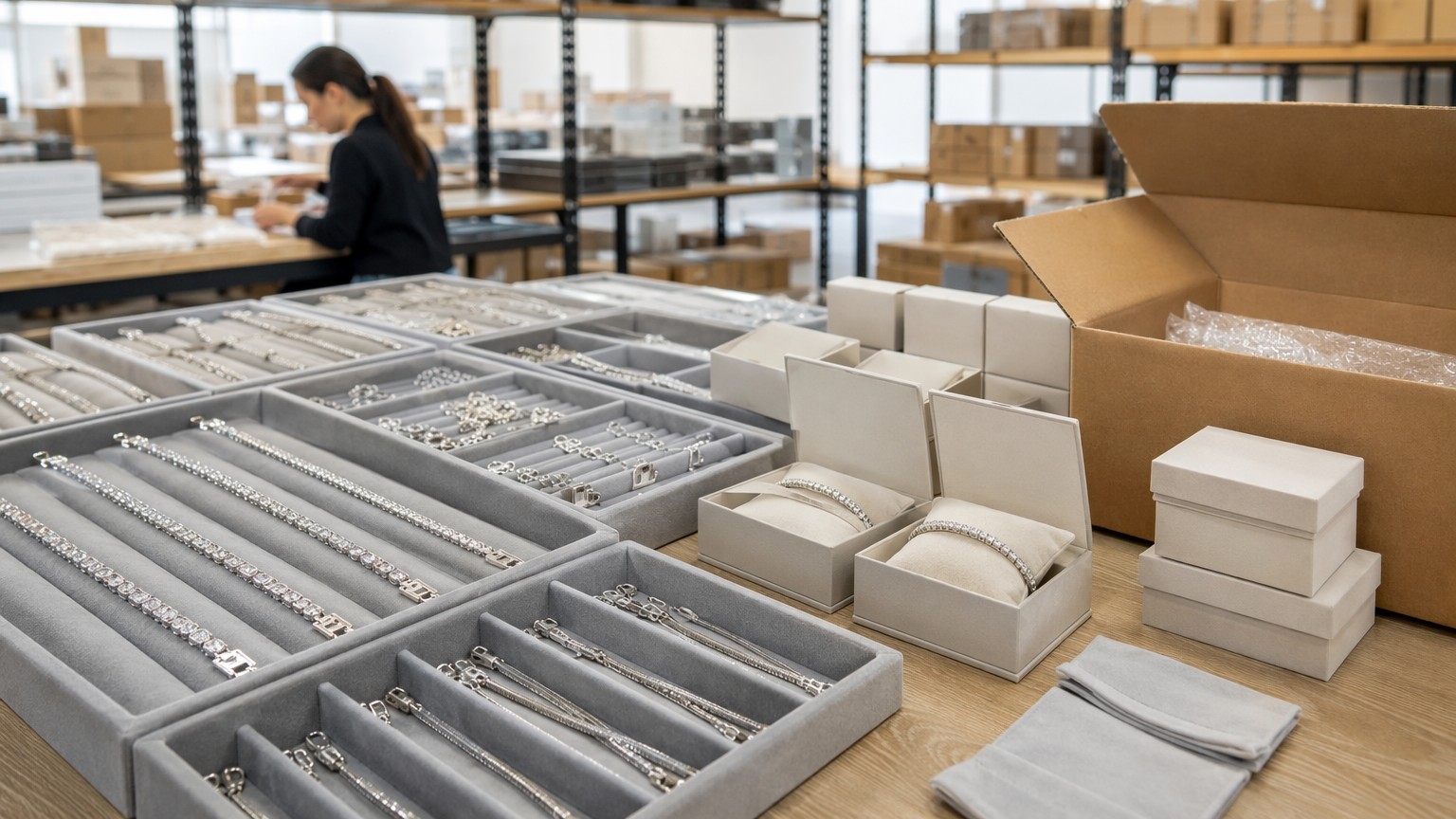
Request pre-shipment photographs or an inspection report when appropriate. The shipment should represent the approved sample and the agreed order record, not a new interpretation made at the packing stage.
Common OEM mistakes that increase cost and delay
Most avoidable problems begin before bulk production. Typical examples include approving a rendering without a physical sample, changing dimensions in email without updating the master specification, using “925” as a vague sales phrase without confirming the material record, and leaving packaging or marking decisions until the order is already in production.
Another common mistake is treating a low unit price as the complete commercial offer. If the quote excludes sampling, tooling, finishing, packaging, inspection, or shipping requirements, the apparent saving may disappear later. A complete comparison should use the same scope for every supplier.
AphroSilver's practical buyer checklist
For a new silver tennis bracelet program, AphroSilver recommends keeping one project file with the following items:
- Design brief and reference images.
- CAD or technical design version used for sampling.
- Prototype comments and open-issue log.
- Dated sample approval with accepted changes and tolerances.
- Bulk order specification, packaging list, and inspection plan.
- Pre-shipment evidence and final order record.
This documentation gives the buyer a practical audit trail and gives the manufacturer a stable reference for repeat orders.
Frequently asked questions
When should a buyer approve the sample?
Approve only after appearance, function, material description, marking, and packaging requirements have been reviewed against the written brief. If any critical item is still open, record it as an action rather than treating the sample as final.
Is a prototype the same as a production sample?
Not always. A prototype may validate construction or proportion while some production details remain provisional. Ask the supplier to state what the prototype proves and what still needs confirmation.
What should a buyer ask an OEM silver jewelry supplier before ordering?
Ask for the material specification, sample process, approval method, production checkpoints, defect-handling approach, packaging scope, shipping documents, and the evidence available before dispatch.
make the process part of the product
A successful OEM tennis bracelet program is built through controlled decisions: Design, Prototype, Sample approval, Bulk production, and Shipping. When each stage has a clear owner, an approval record, and evidence that can be checked, the buyer gains better control over quality, timing, and repeat orders.
For AphroSilver and other wholesalers, retailers and jewelry brands, the strongest supplier relationship is one where the product specification is clear, the sample is measurable, and the factory can explain how the approved result is protected through bulk production and delivery.
For related product and sourcing ideas, browse more jewelry knowledge from AphroSilver or connect with our team about your next collection.
Planning your next tennis bracelet line?
Discuss 925 sterling silver samples, custom lengths, finishes, and wholesale sourcing options with AphroSilver.
Start a product consultationExplore our tennis bracelet selection
Review eight different tennis bracelet styles from AphroSilver's English product catalog, selected for wholesale buyers, retailers, and jewelry brands.
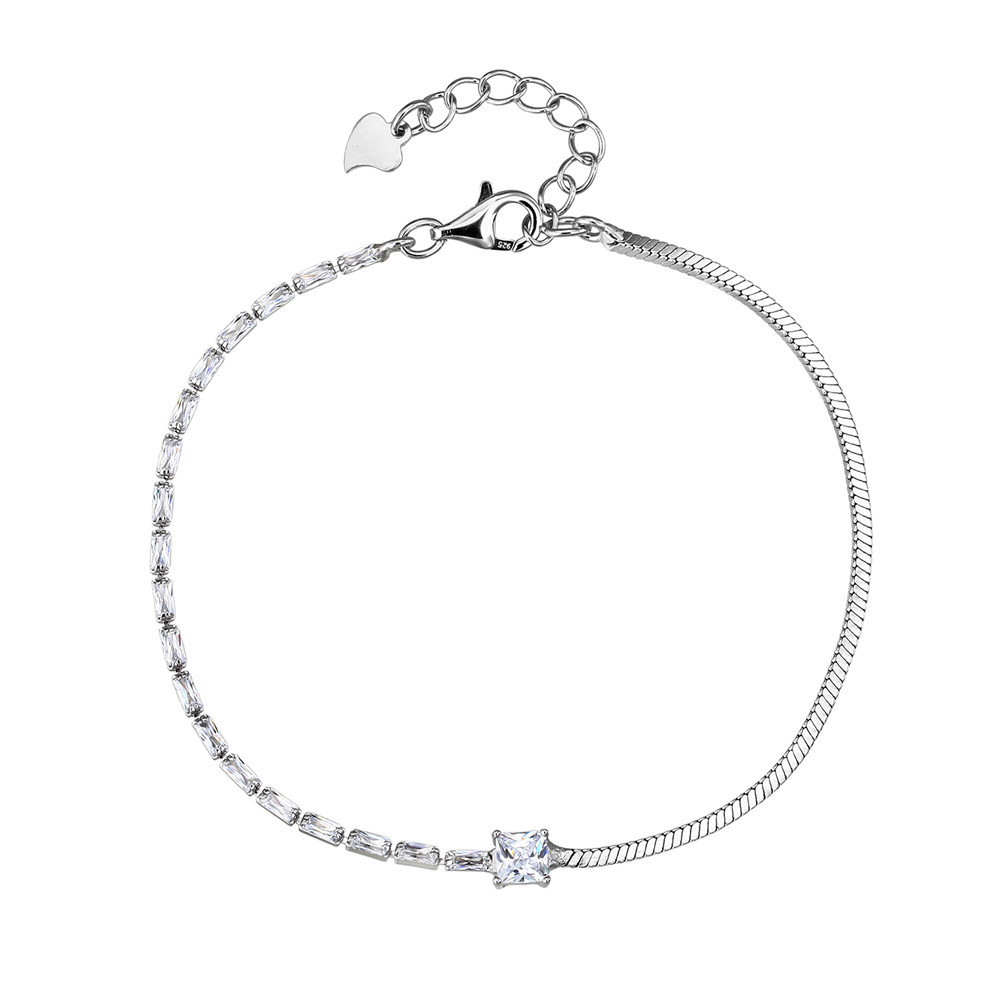
Elegant Silver Zircon Tennis Bracelet
View product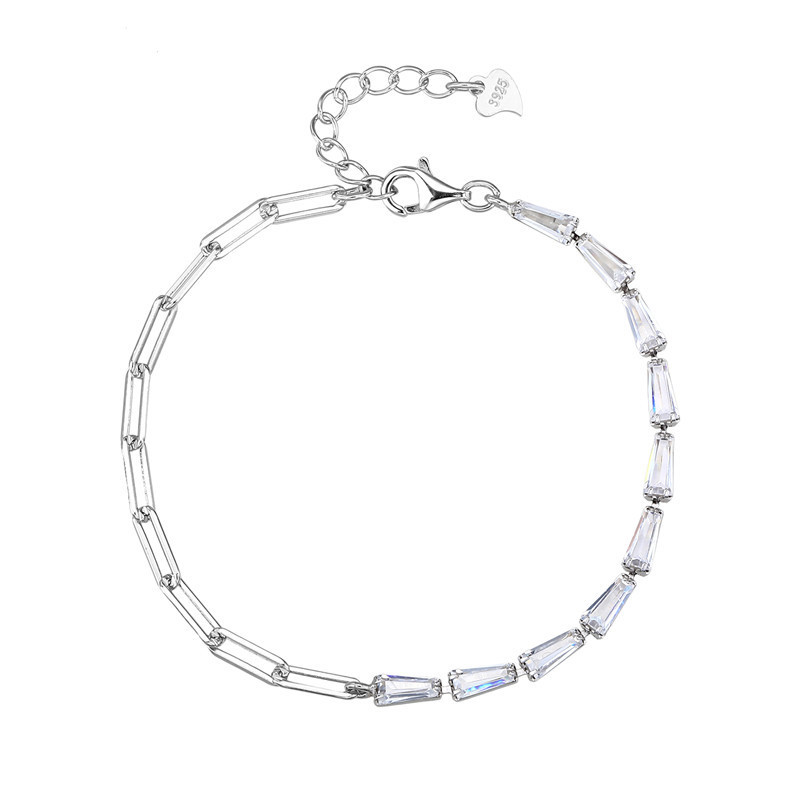
Adjustable Silver Zircon Tennis Bracelet
View product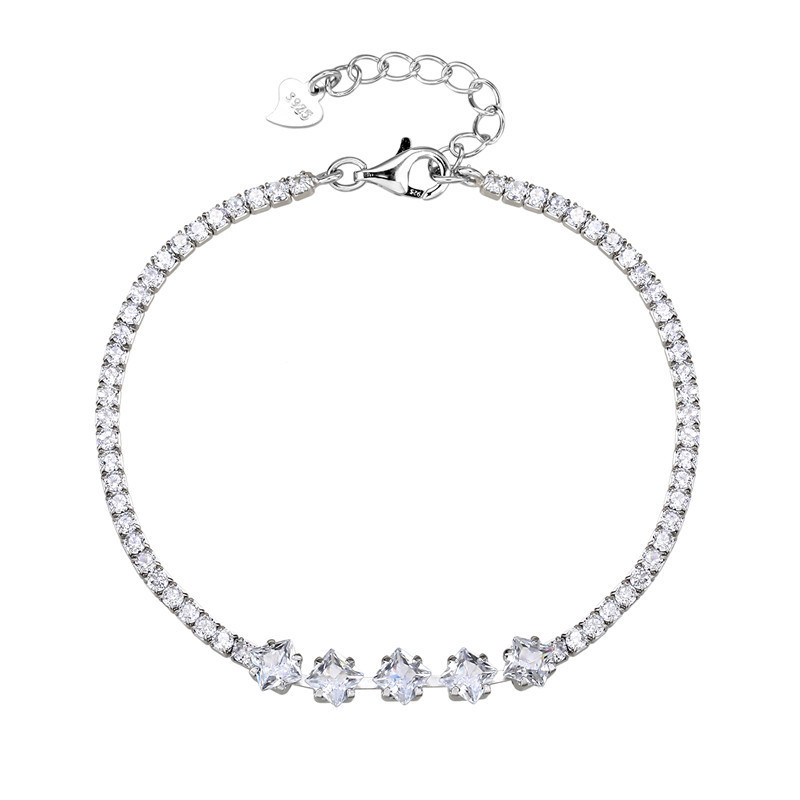
Wholesale Adjustable Silver Tennis Bracelet
View product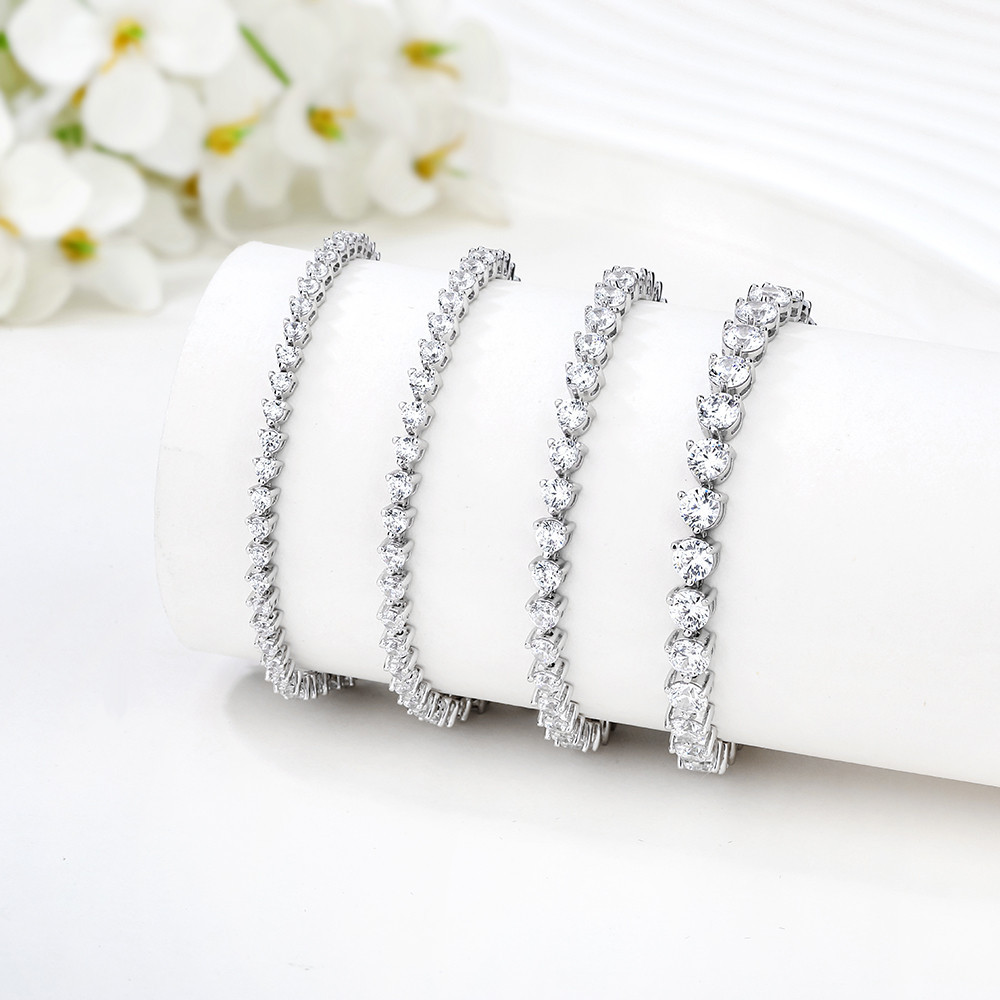
Sterling Silver Cubic Zirconia Tennis Bracelet
View product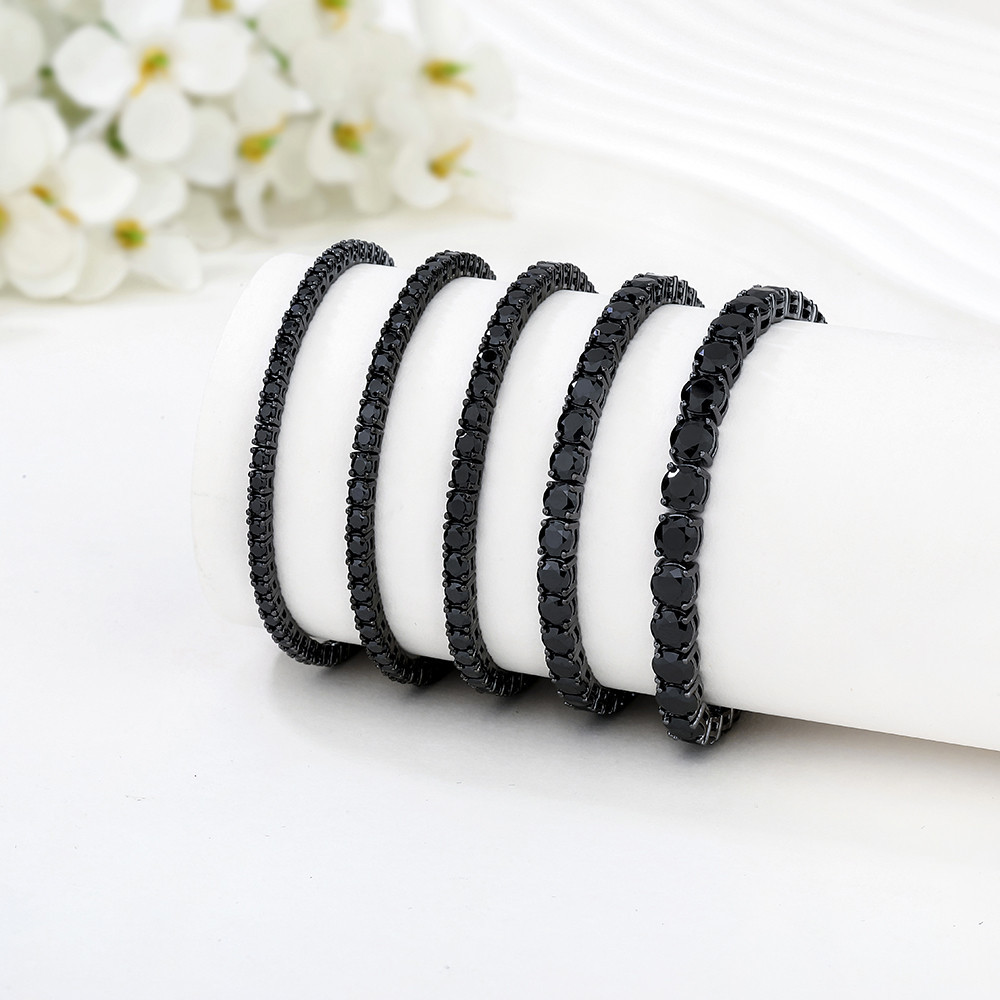
Vintage 925 Silver Black Zircon Tennis Bracelet
View product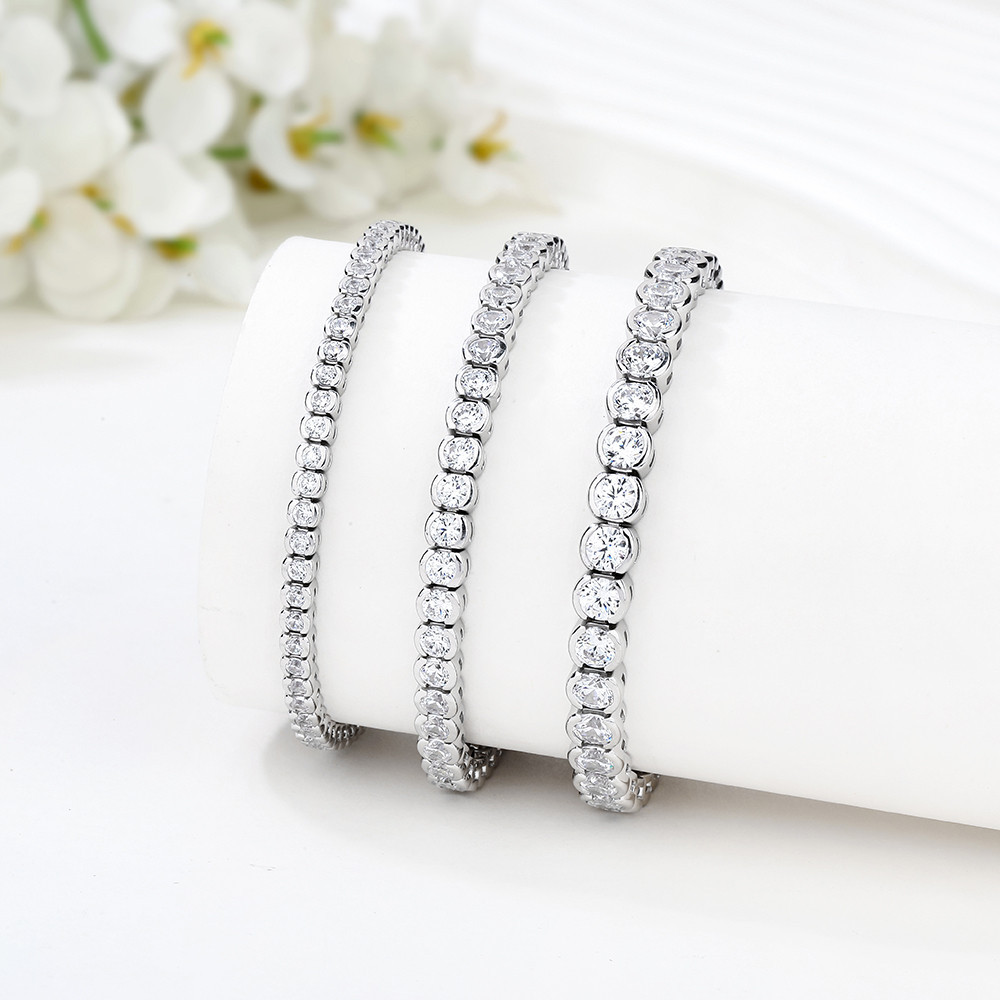
Fashion Charm Classic Tennis Bracelet
View product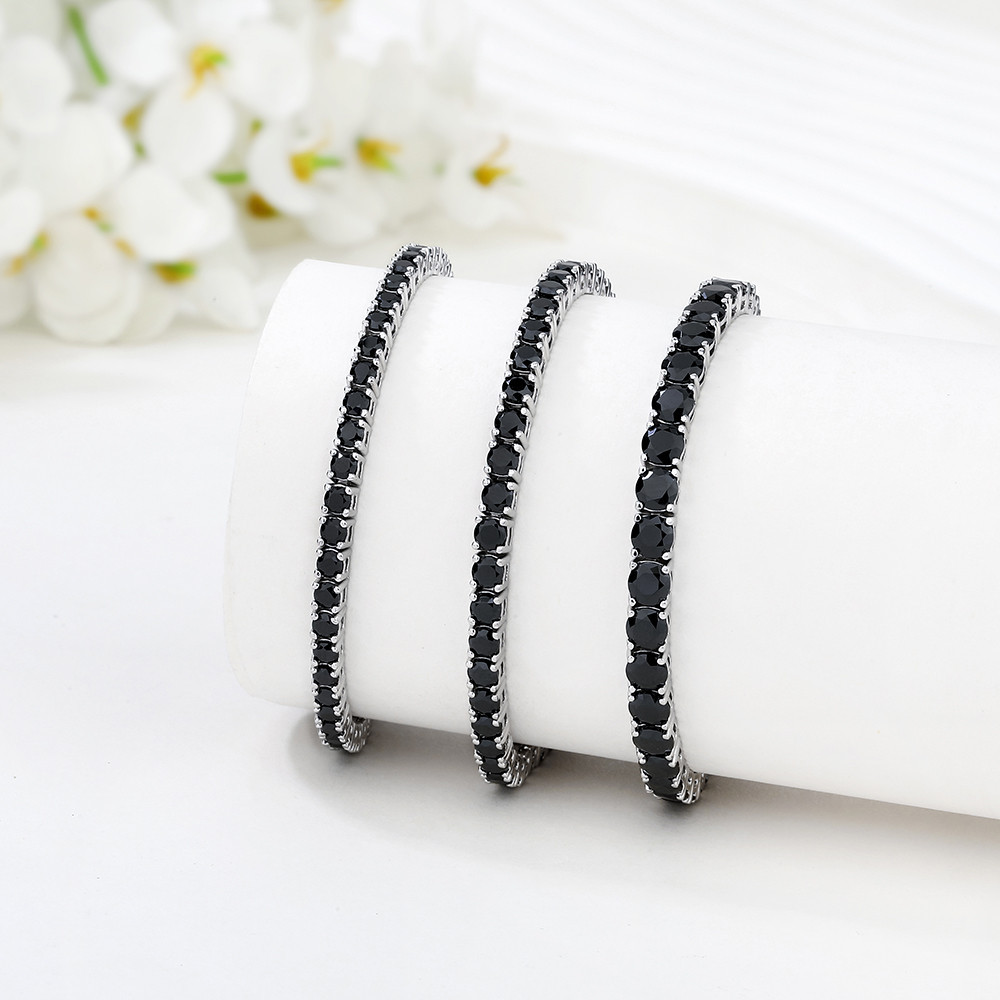
Women's Silver 925 Zircon Tennis Bracelet
View product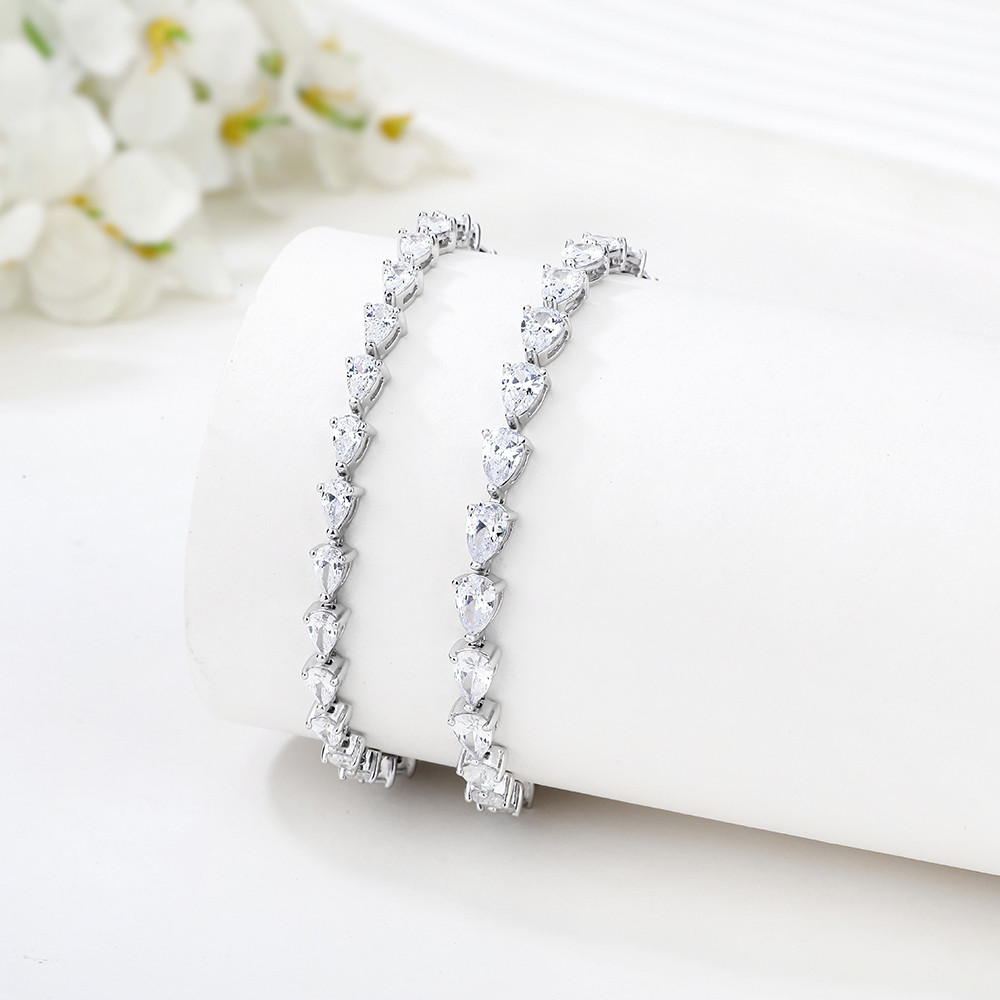
Cubic Zirconia 925 Silver Classic Tennis Bracelet
View product