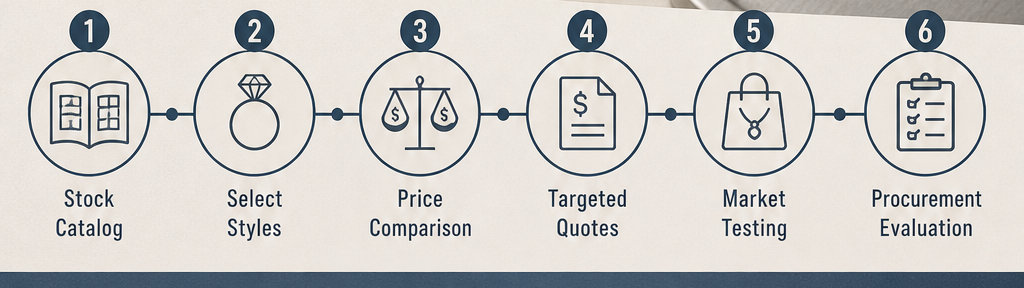
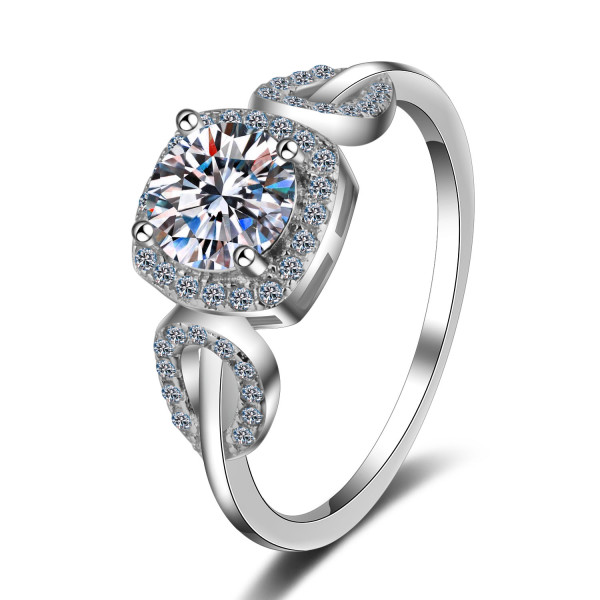
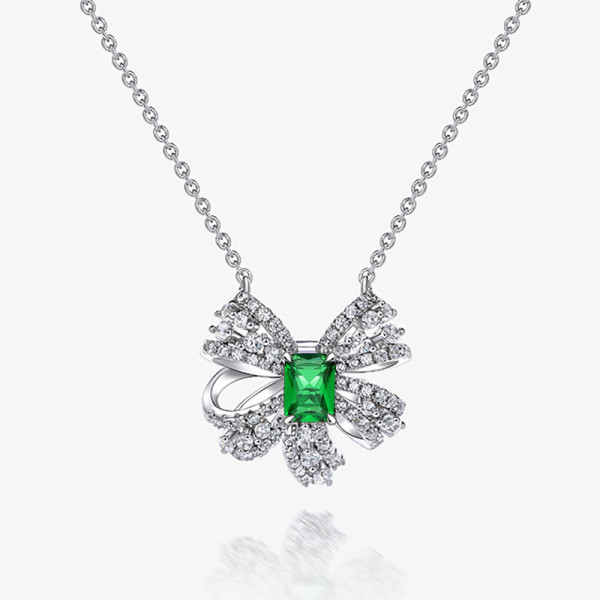
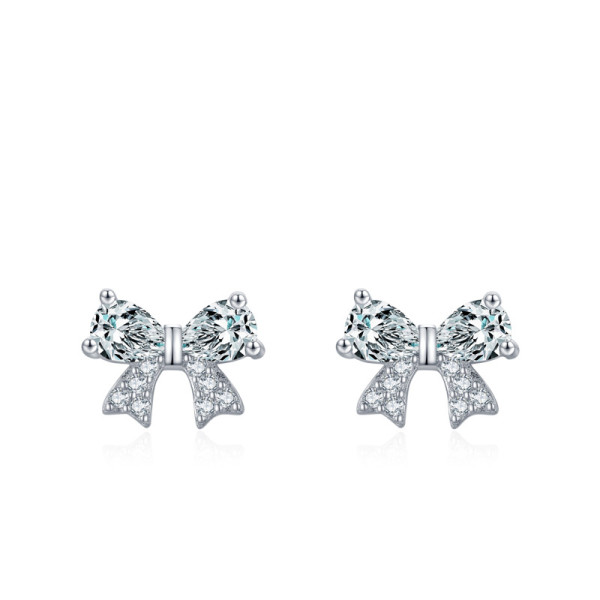
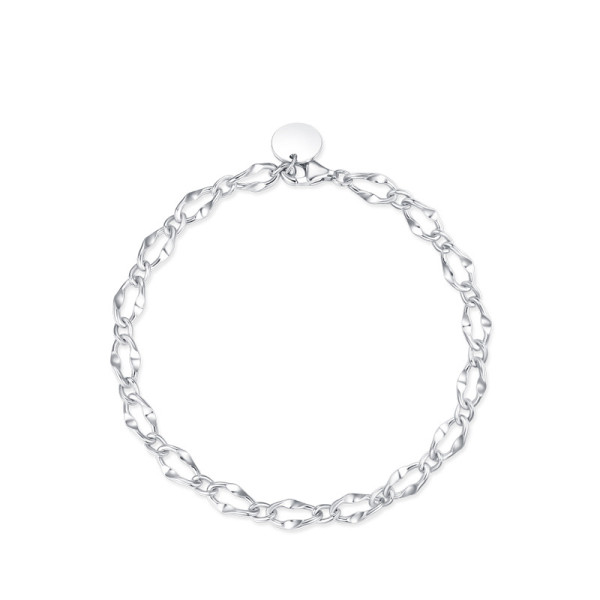
① Providing a Catalog of In-Stock Silver Jewelry
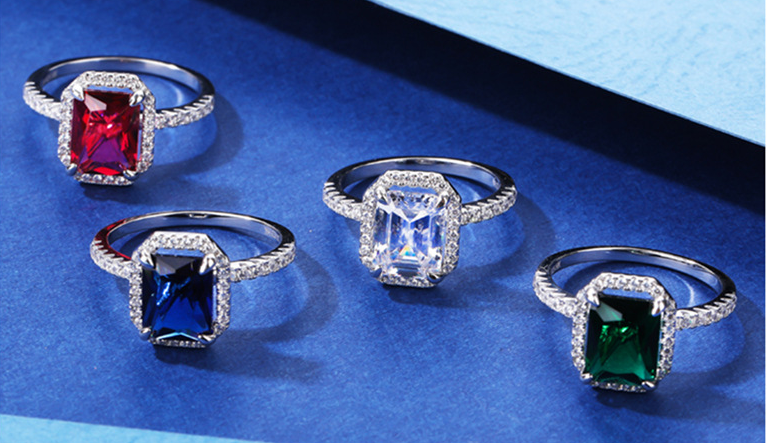
After a client submits a wholesale request, we first provide them with a catalog of in-stock products, allowing them to directly browse currently available items.
Clients can select styles of interest based on their market positioning and sales needs, eliminating the need for large-volume purchases without market validation.
② Providing Price Comparisons for In-Stock and Bulk Orders
After the client browses the catalog, we further provide in-stock prices and bulk order prices to help them compare price differences under different sourcing models.
Simultaneously, we explain to clients that bulk quotes can be provided based on specific products, with pricing calculated considering factors such as product weight.
This allows clients to more clearly determine:
Is small-scale in-stock purchasing suitable for market testing?
Which products are more suitable for bulk purchasing?
What are the price variations for different purchase quantities?
③ Precise Product Selection Based on Customer Purchase Quantity
When the customer provided further details about their purchase, including:
Approximately 30-40 pieces per style
And: Local labor cost approximately $0.4/gram
We didn't continue sending generalized product information. Instead, we invited the customer to select a few styles from the catalog that interested them, and we provided specific quotes for those products.
This means our procurement communication shifted from:
"What are your wholesale prices?"
to:
"Which specific products fit your purchase quantity and target price?"
For buyers purchasing silver jewelry in small quantities, this approach allows for more precise quotations while reducing the time spent on product selection.